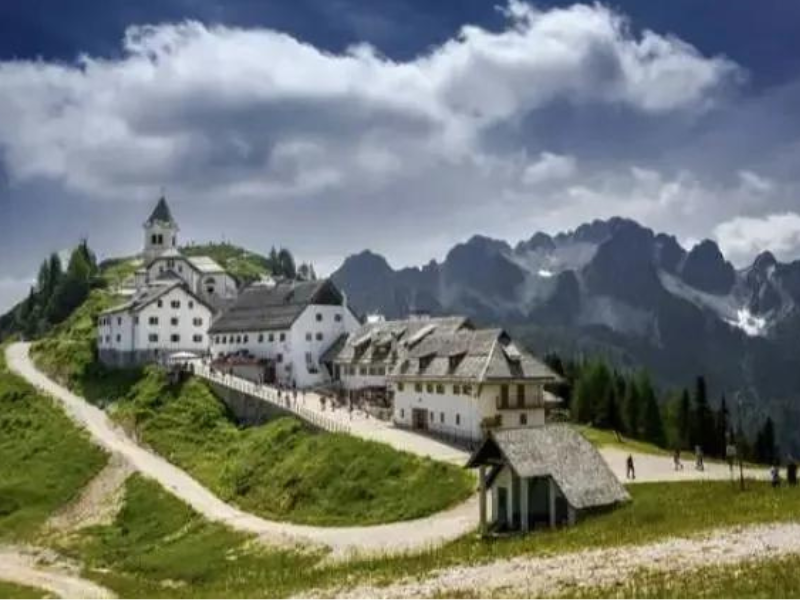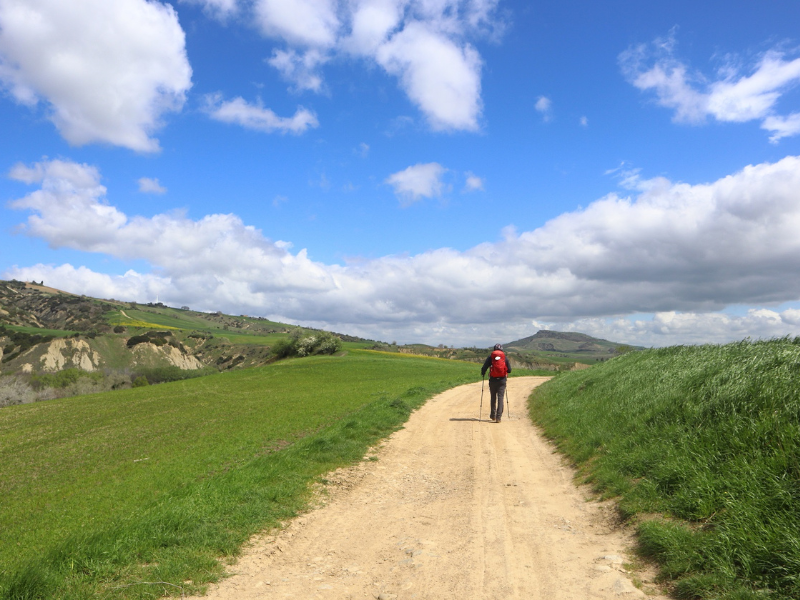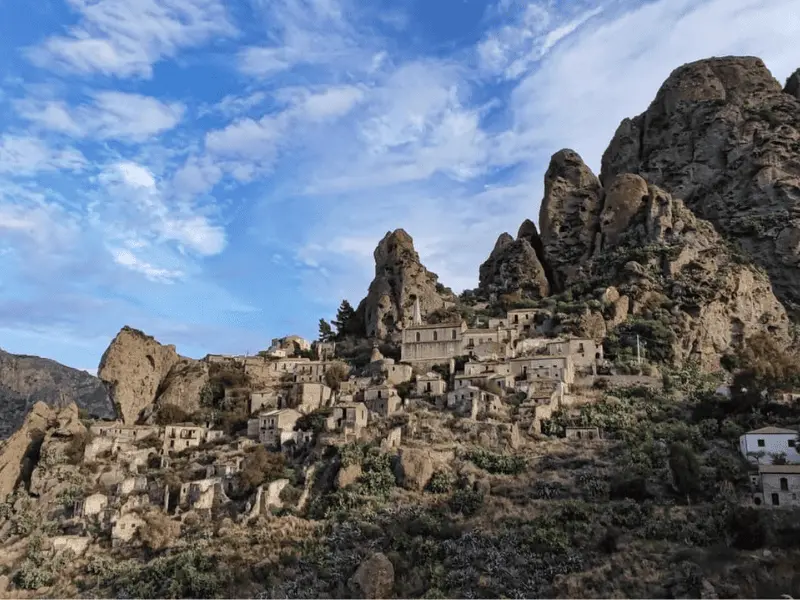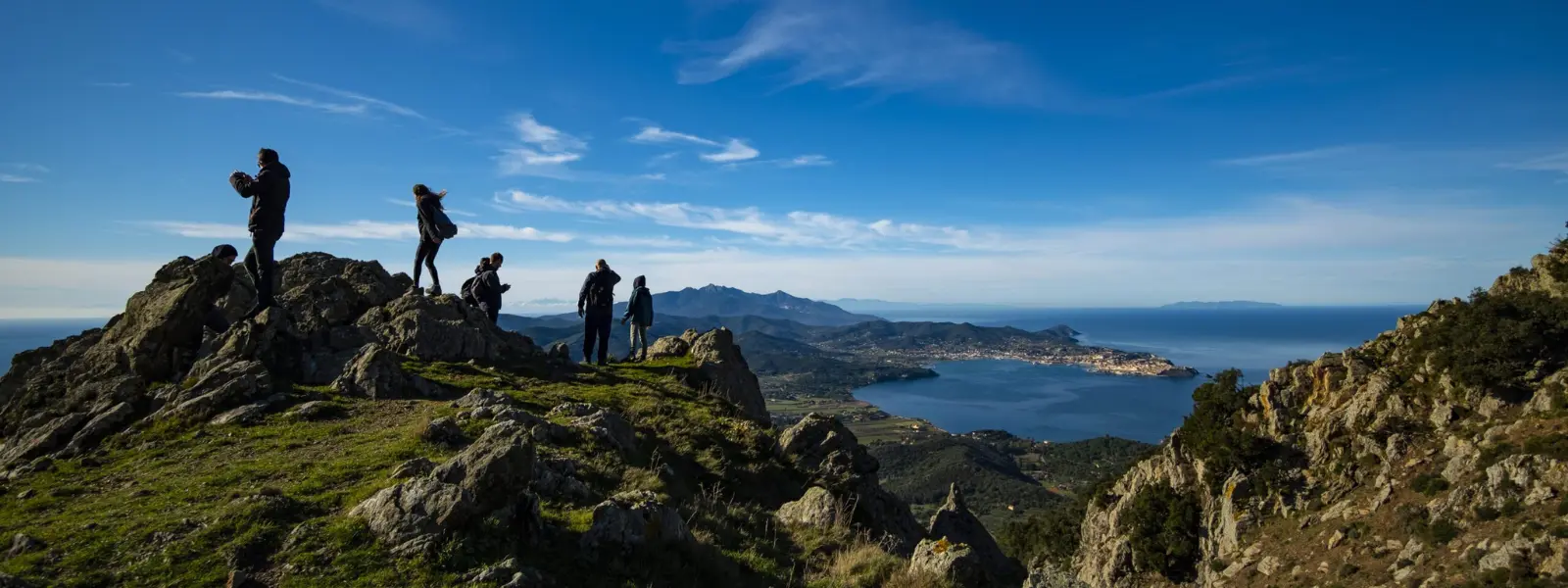
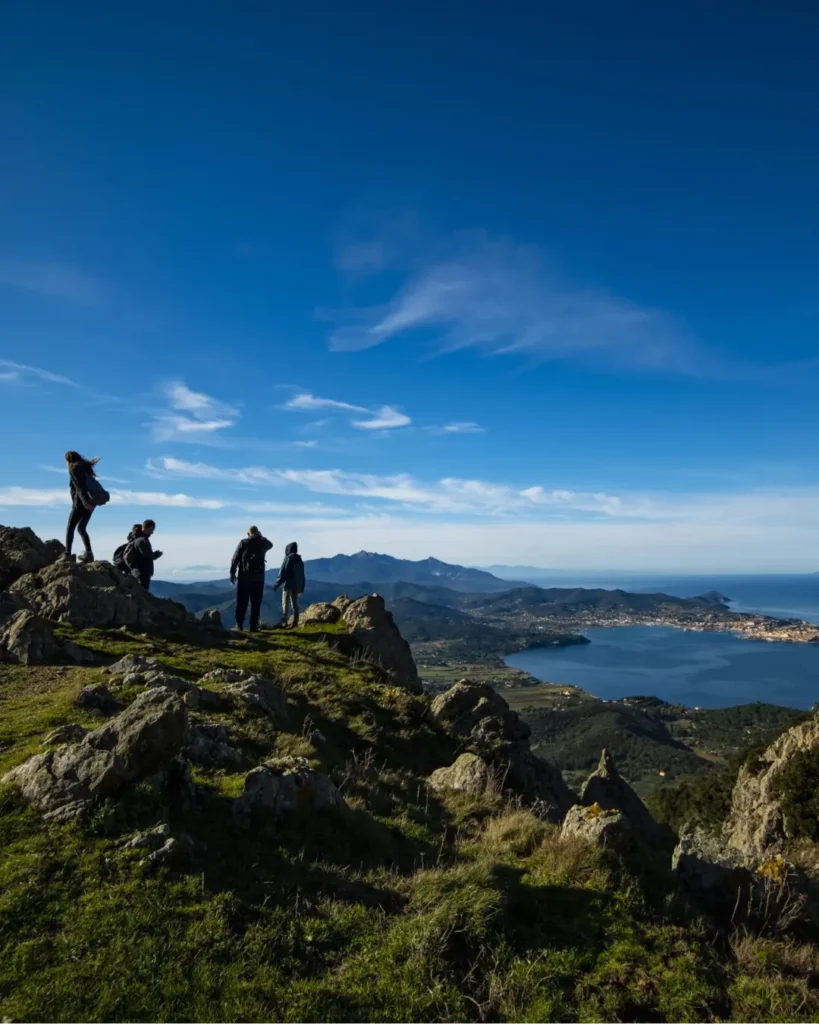

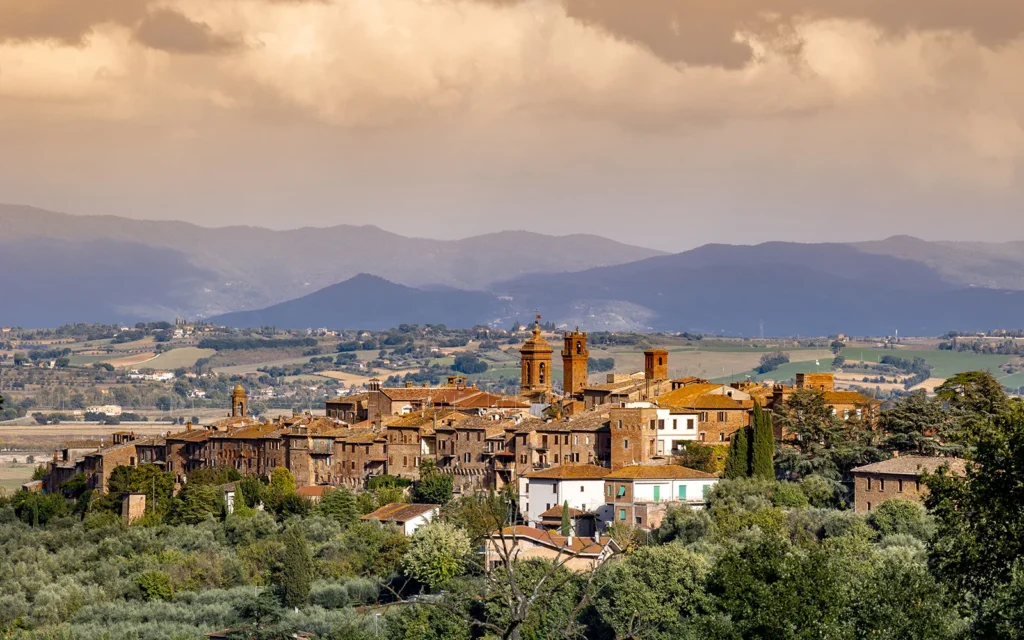
Tuscany, in the heart of central Italy, is a land rich in history, culture, postcard-perfect landscapes and… a vast network of itineraries, which lend themselves perfectly to the Camino experience!
In this comprehensive list of Tuscany’s Camminos in Tuscany, we will explore some of the most significant itineraries in Tuscany, moving from the rolling hills of Chianti, to the rugged peaks of the Apuan Alps, to medieval villages, to world-renowned cities of art.
Get ready to discover a side of Tuscany that goes beyond the classic tourist postcards, an experience that will allow you to get in touch with the authentic soul of this wonderful region.
We remind you that you can search for the path to do for you in the section “Paths” using the various filters (Example “Tuscany”)
Complete list of Paths in Tuscany
Below is a list of all the Cammini in Tuscany on the Cammini d’Italia portal.
The Via Francigena
Length: 3200 km
Stages: 105
Departure: Canterbury
Arrival: Rome or Santa Maria di Leuca if you wish to proceed along the Southern VIA FRANCIGENA
The Via Francigena is a historic Route that crosses Europe, uniting peoples, cultures and ideas. Following in the footsteps of ancient pilgrims, this thousand-year-old route winds through 5 states, 16 regions and more than 600 municipalities, offering a journey rich in history, art and spirituality.
The Camino begins in Canterbury, UK, and passes through France and Switzerland before entering Italy. On Italian soil, the Via FRANCIGENA touches several regions, including Tuscany, offering pilgrims and modern travelers a unique experience.
The history of this Way dates back to the early Middle Ages, when the Lombards created a safe route to connect the Kingdom of Pavia to the southern duchies. This route, initially known as the “Via di Monte Bardone,” later became the Via FRANCIGENA.
The current route is largely based on the travel diary of Sigeric, Archbishop of Canterbury, who in 990 A.D. noted the 80 STAGE stages of his return from Rome. This document is considered the most authoritative source for reconstructing the original itinerary.
Today, the Via FRANCIGENA is an accessible Path for all, free of technical difficulties and suitable for walking or cycling. It offers a unique opportunity to immerse oneself in European history and the beauty of the landscapes traversed, including the stunning postcard landscapes of Tuscany.
Discover the Via Francigena from St. Bernard’s Hill to Rome, or in its entirety, from Colle di San Bernardo to Santa Maria di Leuca, in Puglia!
Romea Strata
Length: 1068 km
Stages: 51
Departure: Tarvisio
Arrival: Rome
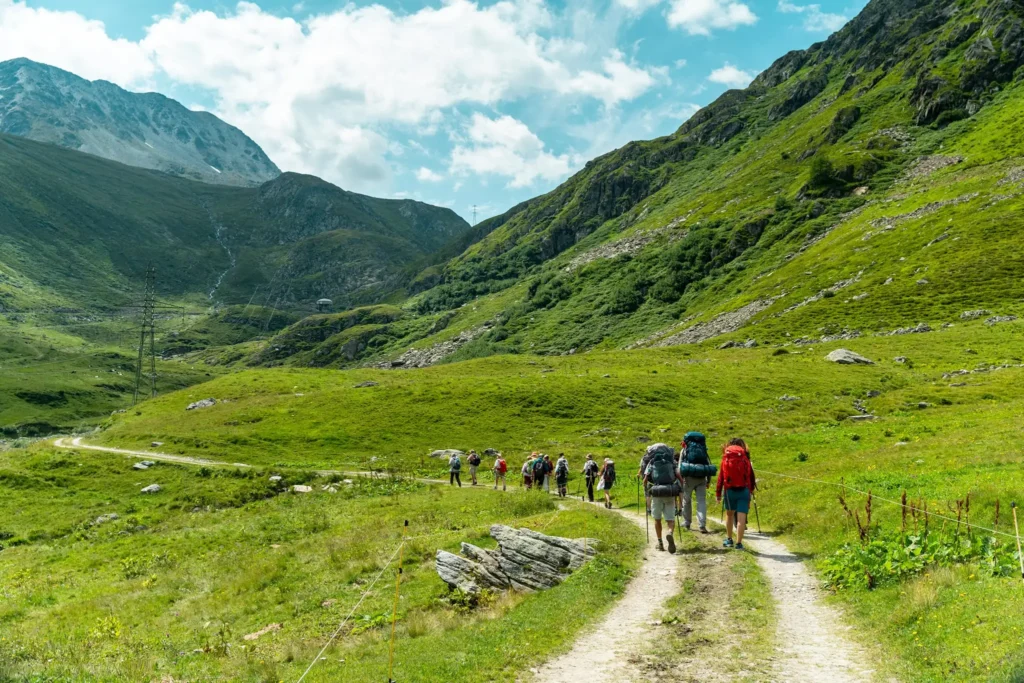
The Romea Strata is a historic Camino that crosses Europe, connecting the Baltic Sea to Rome. In Italy, the main route stretches 1068 km, entering from Tarvisio and crossing seven regions, including Tuscany.
This ancient route, originally used for commercial purposes, transporting amber, salt, iron and silk, was transformed over time into a route of pilgrimage and cultural exchange. The Romea Strata saw the passage of such illustrious figures as Copernicus, Kepler and Galileo Galilei, contributing to the spread of not only Christianity, but also Judaism and Protestantism.
The Italian section takes about a month and a half on foot or 15-20 days by bicycle. Along the way, walkers will encounter numerous architectural and cultural relics, including churches, museums and historic hospitality venues.
In addition to the main route, there are several international and domestic branches that connect to the main route, allowing walkers to customize their itinerary.
Discover the Romea Strata!
Via degli Abati
Length: 190 km
Stages: 8
Departure: Pavia
Arrival: Pontremoli
The Via degli Abati, also known as the “Way of St. Columbanus,” is an ancient route that crosses the Apennines of Piacenza, Parma and Tuscany-Emilia. This historic Way connects Pavia to Pontremoli, where it joins Sigeric’s Via FRANCIGENA.
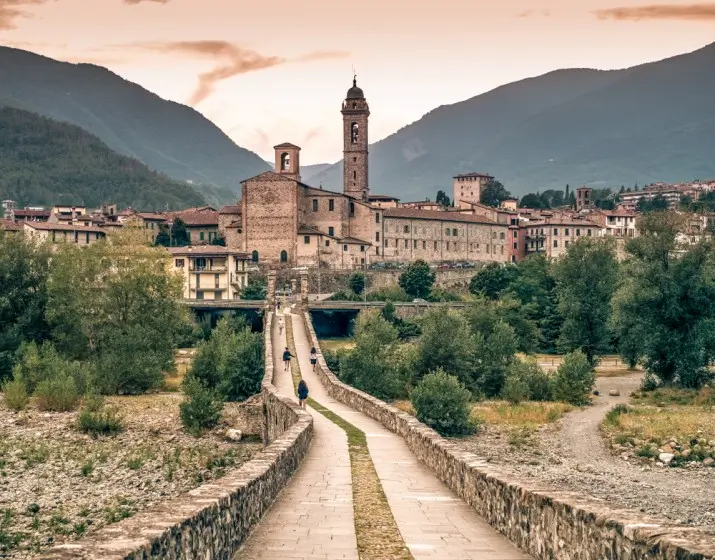
The route runs for 190 km, starting from the Lombardy plain and then moving into the hilly and mountainous areas of the Apennines. Along the Cammino, important towns and places of interest are encountered such as Bobbio and its 11-arch bridge, Farini, Bardi and Borgo Val di Taro.
The Via degli Abati is an ancient communication artery that facilitated economic and political exchanges between Lombardy and Tuscany. Evidence of this past are the remains of towers, castles and other defensive structures that dot the landscape.
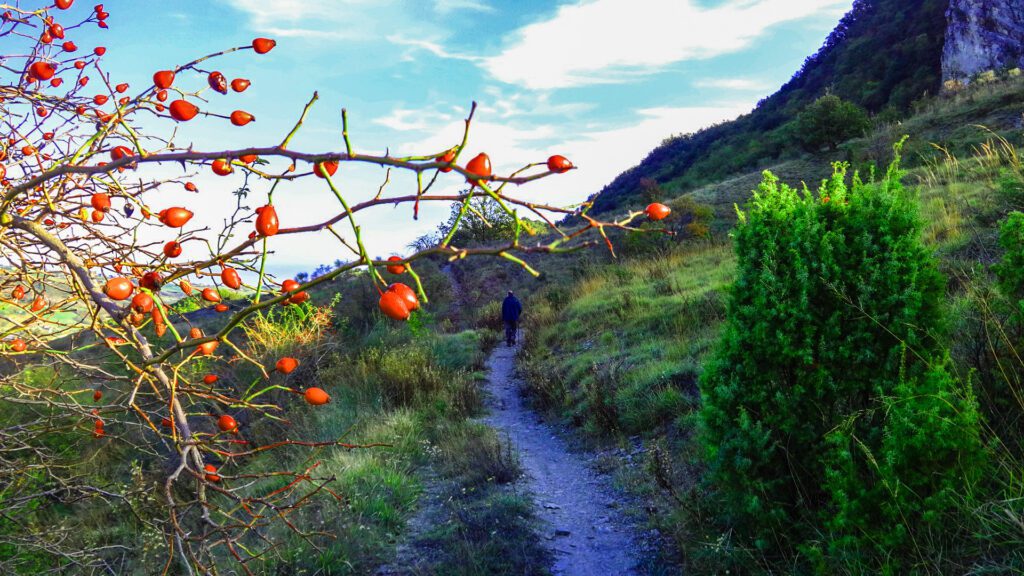
The Camino offers a variety of environments: from the initial plains, it moves on to more challenging and wooded areas, with scenic paths mainly unpaved. Although it passes through mountainous areas, the route regularly touches on population centers that offer accommodations and services, making the experience accessible to many walkers.
Discover the Via degli Abati!
Romea Imperiale
Length: 550 km
Stages: 25
Departure: Trento
Arrival: Arezzo
The Via Romea Imperiale is a 550-km-long Way of great historical and cultural importance, part of the Germanic Vie Romee recognized as European Cultural Routes.
The Cammino, which starts in Trento, traverses an extraordinary variety of landscapes and places of interest, from UNESCO World Heritage cities to ancient villages, offering a unique cross-section of central and northern Italy, all the way to Arezzo.
Along the way, walkers can admire religious and civil architecture, medieval bridges, classical monuments, and valuable works of art preserved in local museums.
The Via Romea Imperiale is not only a journey into the past, but also an immersion in the food and wine culture of the regions it passes through. Walkers can taste renowned wines from Trentino, Veneto, Emilia and Tuscany, savor cured meats and balsamic vinegar from Modena, mountain pasture cheeses and Parmigiano Reggiano.
Discover the Via Romea Imperiale!
Via degli Dei
Length: 130 km
Stages: 5
Departure: Bologna / Florence
Arrival: Florence / Bologna
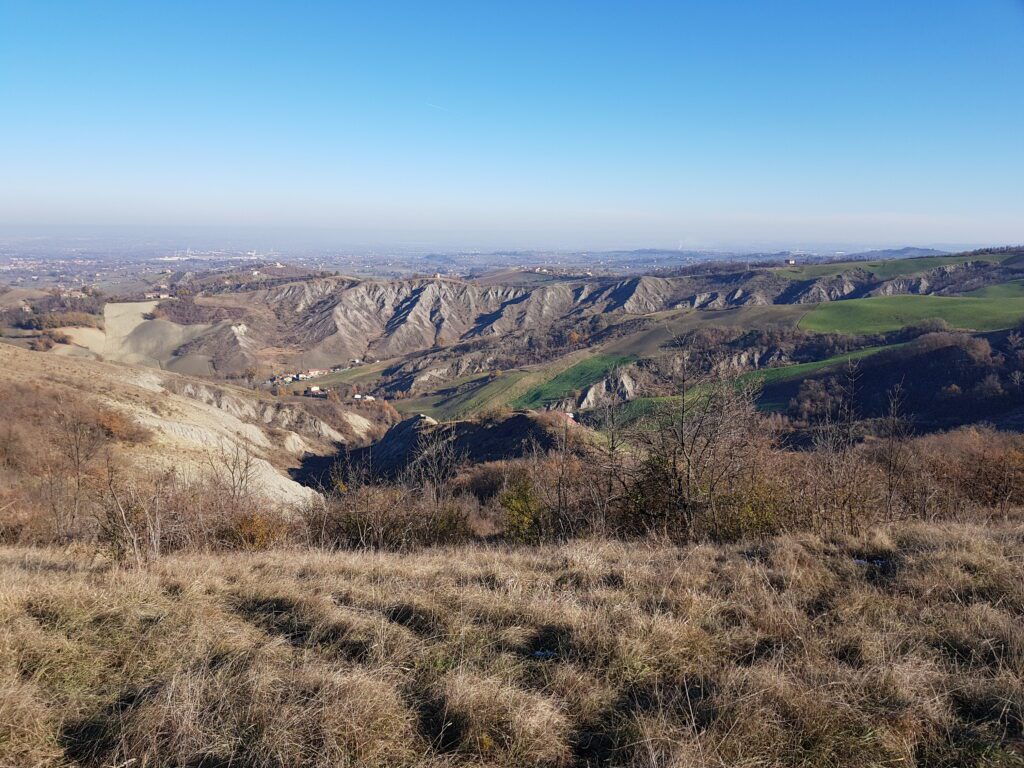
The Via degli Dei, one of Italy’s most popular Paths, connects two of the country’s artistic jewels through a route of about 130 km.
This itinerary runs between Bologna and Florence and can be traveled in either direction. It is a journey that touches the longest portico in the world, the Tuscan-Emilian Apennines, starting and arriving in two unmissable cities, true treasure troves of culture and beauty, for a route steeped in art and culture, blending nature, art and history.
The name “Via degli Dei” comes from the fact that the route passes through mountains and localities that have names of ancient pagan deities such as: Mount Adonis, Monzuno (Mons Iovis, mount of Jupiter), Mount Venus, Mount Luario (Lua was the Roman goddess of atonement).
The Way was recovered around the 1990s during archaeological excavations as traces of ancient the ancient Roman road Flaminia Militare, dating back to 187 B.C., were found, of which some sections of the original pavement can still be seen.
Discover the Via degli Dei!
Cammino di Dante
Length: 380 km
Stages: 21
Departure: Ravenna (Dante’s Tomb)
Arrival: Florence (Dante’s House Museum)
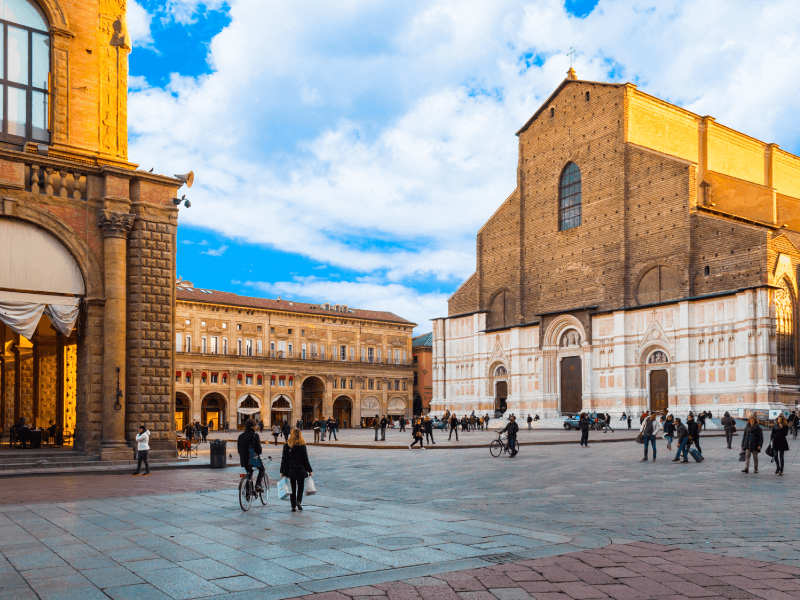
The Cammino di Dante is a fascinating itinerary that retraces the steps of the Supreme Poet through the medieval paths and routes that connected Romagna and Tuscany. This route, the result of years of research and exploration, offers walkers an experience that is not only cultural and naturalistic, but also deeply literary.
The Cammino is developed in a loop of about 380 km, to be traveled counterclockwise, joining Romagna and Casentino. The two ends of the route are represented by Dante’s Tomb in Ravenna and the Dante House Museum in Florence, symbolizing the beginning and end of the poet’s journey.
Along the way, walkers will pass through places mentioned in the Divine Comedy or directly experienced by Dante during his exile. The paths, mostly traveled “on the ridge,” follow ancient routes used since the late Middle Ages, some of which coincide with Etruscan-Roman roads, recognizable by their typical pavements.
Discover the Cammino di Dante!
Via Romea Nonantolana
Length: about 200 km
Stages: 10
Departure: Nonantola Abbey (MO)
Arrival: Arcana Cross Pass
The Via Romea Nonantolana is an ancient route connecting the Po Valley with the Tuscan-Emilian Apennines. This Way, which starts from the Abbey of Nonantola and ends at the Passo della Croce Arcana, offers two routes: an eastern and a western one, which join at Fanano.
The history of this Way begins with Anselm, duke of Cividale, who in 750 CE gave up his power to retire to a monastery. He initially founded a monastery in Fanano, but on the advice of his brother-in-law Astolfo, a Lombard king, he created a new monastery in Nonantola, which was more accessible and strategic. The link between the two places of worship ensured a safe route for pilgrims to Rome, also used by wayfarers and armies. In time, the Via Nonantolana became an important artery across the peninsula, assuming a central role until the emergence of modern routes.
The Cammino, which is about 200 km long, winds through medieval villages, parish churches, castles and landscapes of the Modena Apennines, until it reaches the Passo della Croce Arcana, which, with its height of 1669 m above sea level, dominates the provinces of Modena and Pistoia.
Discover the Via Romea Nonantolana!

CAMMINO DI SAN JACOPO
Length: 174 km
Stages: 6
Departure: Florence
Arrival: Livorno
The Cammino di SAN JACOPO is a 174-kilometer route that runs through Tuscany, from Florence to Livorno.
Following the ancient Via Cassia, this Cammino connects seven cathedrals in six stages, offering an exceptional concentration of art, history and nature.
The route also touches on renowned cities such as Prato, Pistoia, Pescia, Lucca and Pisa, as well as numerous villages and castles.
The Cammino di San Jacopo incorporates many features and rituals typical of the Camino de Santiago, including donative welcomes and menus for walkers, and think of the fact that from the port of Livorno, as has been the case for centuries on maritime trade routes, it is possible to embark for Barcelona. From there, following the Catalan Jacobean paths and the Camino de l’Ebro, one visits the main Spanish Marian shrines of Montserrat and the Virgin del Pilar, before arriving in Logroño and continuing to Santiago de Compostela along the French Way.
Discover the Cammino di San Jacopo!
Cammino di San Bartolomeo
Length: 100 km
Stages: 5
Departure: Fiumalbo
Arrival: Pistoia
The Cammino di San Bartolomeo is a route that unites the localities straddling the Apennines of Modena and Pistoia, where the cult of the saint is handed down. Established in 2016, this Cammino takes up ancient paths surely traveled in the past, with origins dating back to Lombard times.
Places such as Fiumalbo, Cutigliano and Spedaletto are touched upon, where the cult of St. Bartholomew has centuries-old traditions and is still very much alive. In Pistoia, the end point of the walk, is the church of San Bartolomeo in Pantano, an important witness to the cult of the saint.
The route is spread over five STAGES, mainly in the middle and high mountains, and along its 100 km, the Cammino passes through lush forests and places of great scenic, historical and artistic interest.
There are very few stretches on asphalt, allowing walkers to fully enjoy the nature around them.
Other routes will be intertwined in Pistoia, thus being able to connect to the Via Francigena and continue the Camino experience.
Discover the Cammino di San Bartolomeo!
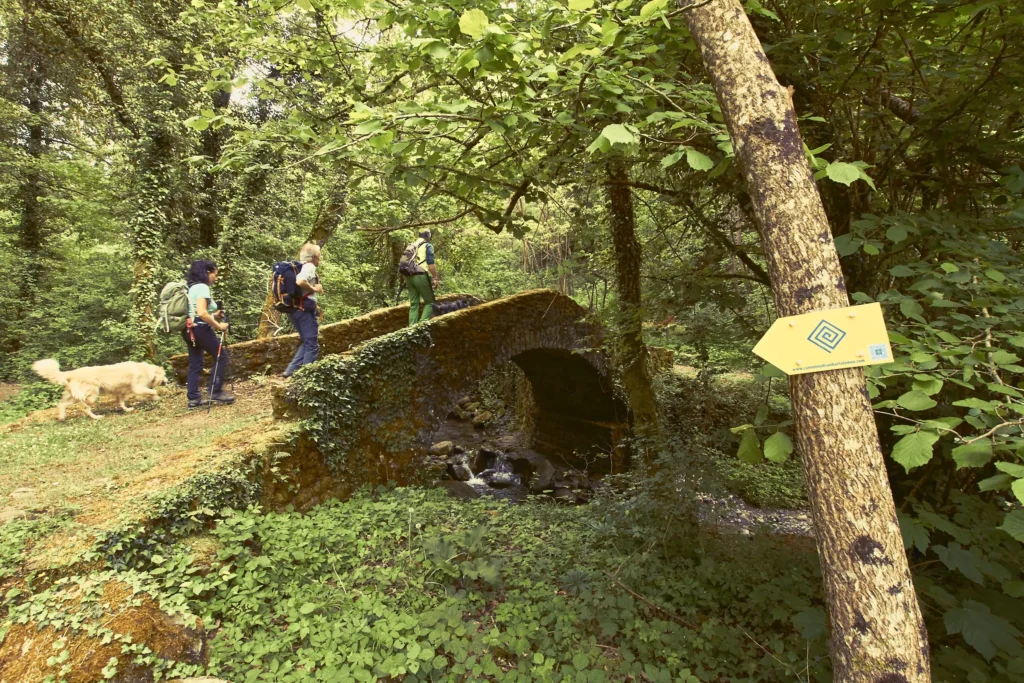
Grande Traversata Elbana
Length: 56 km
Stages: 4
Departure: Cable
Arrival: Patresi (GTE north) or Pomonte (GTE south)
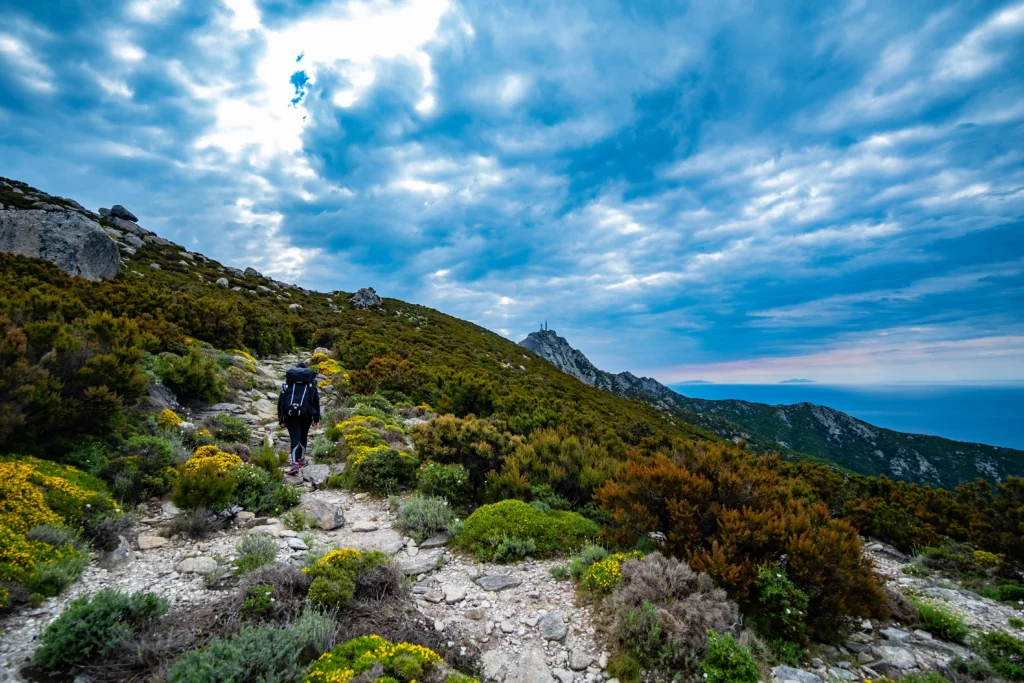
The Grande Traversata Elbana(GTE) is a fascinating nature trek that runs along the entire ridge of Elba Island, from its highest peaks to the coast.
The 56-km-long route runs from Cavo in the far northeast across the eastern ridge, the gentler central part, to the granite massif of Monte Capanne. From here, the path forks, offering two arrival options: Patresi in the northwest (GTE north) or Pomonte in the southeast (GTE south).
Divided into four classic STAGES, the GTE can be walked in either direction. The walk takes place mainly outside of population centers, offering total immersion in the island’s nature.
The trail allows you to appreciate the incredible geological, landscape and plant variety of Elba, alternating between garrigue, Mediterranean scrub, bare stone and forests of holm oak, chestnut and yew.
In recent years, the GTE has attracted more and more trekking enthusiasts, becoming an attraction for those who wish to discover Elba beyond its famous beaches, discovering the island through the slow and peaceful pace of the Camino.
Discover the Grande Traversata Elbana!
Via Vandelli
Length: 171 km from Modena, 152 km from Sassuolo
Stages: 7
Departure: Modena or Sassuolo
Arrival: Massa and Marina di Massa
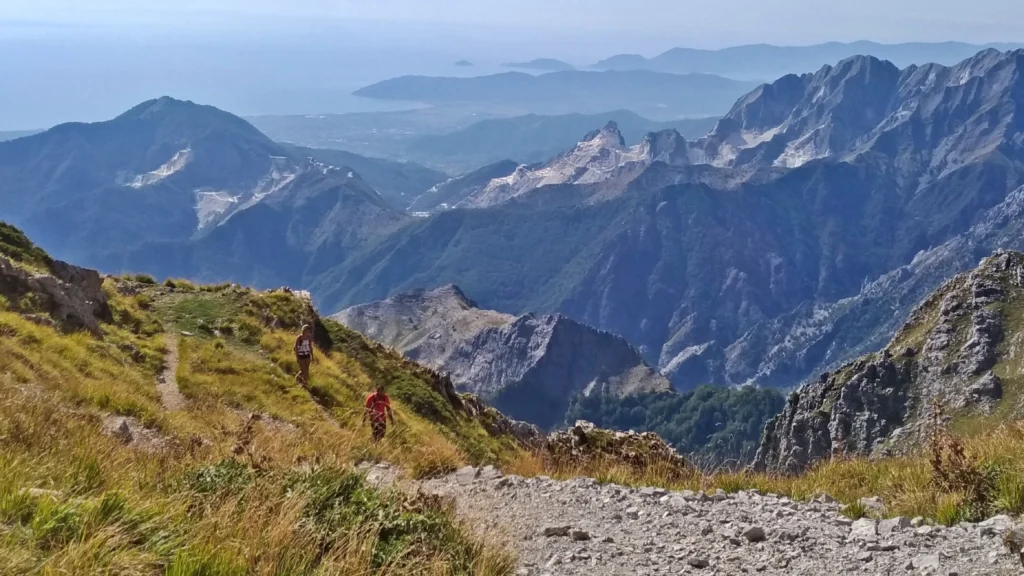
The Via Vandelli, a fascinating eighteenth-century road, connects the heart of Emilia to the Tyrrhenian Sea, retracing the first major road after the Roman roads.
Born out of the desire of Duke Francesco III d’Este to unite Modena with Massa, this road was designed by engineer Domenico Vandelli as the first major artery of the Enlightenment.
The Cammino, which can be walked in seven days, crosses Emilia-Romagna and Tuscany, offering a journey rich in history and natural beauty. Walkers will find themselves traversing ancient pavements, passing the structures of old inns and post stations.
Along the way, there are charming villages and unspoiled landscapes, with the high point at the Tambura Pass, which offers views of the Tyrrhenian Sea.
The Via Vandelli represents was a remarkable engineering feat for its time, and now it is a journey through the history, culture, and nature of two beautiful Italian regions-Emilia-Romagna and Tuscany.
Discover the Via Vandelli!
The Via Mater Dei
Length: 160 km
Stages: 7
Departure: Bologna
Arrival: Riola di Vergato
The Via Mater Dei is a 160-km route divided into 7 STAGES, running from Bologna to Riola di Vergato, also touching on Tuscan lands for a few kilometers, with a significant elevation gain of about 6700 meters.
Its history is recent and was born from the initiative of a group of enthusiasts who wanted to create a link between the many Marian shrines in the Bolognese Apennines, with particular attention to those that are most isolated and at risk of abandonment. The project saw a strong involvement of local communities, as the goal was not simply to create a path between two points, but to develop an immersive experience in the area.
After careful design work, the final route for walkers was defined in 2021, followed in 2022 by a mountain bike-specific variant that deviates only in a few short sections from the main route.
Discover the Via Mater Dei!

Way of Etruria Center
Length: 280 km
Stages: 18
Departure: Volterra
Arrival: Chiusi
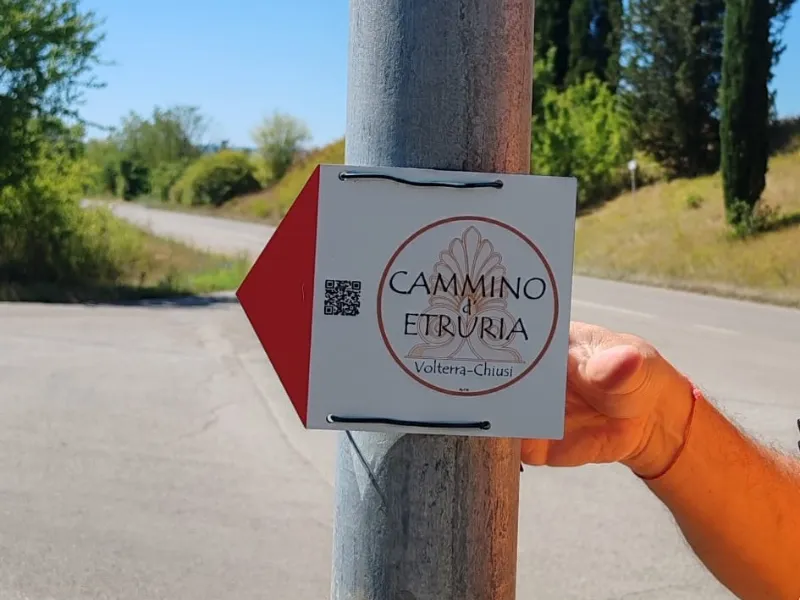
The Cammino d’Etruria Centro is a cultural itinerary that winds through Etruscan archaeological sites and medieval villages in central Tuscany. This route, which connects Volterra to Chiusi by crossing 15 municipalities, was created with the aim of bringing walkers closer to Etruscan civilization through a continuous encounter with free-access archaeological sites and museums of great interest.
The Cammino crosses iconic landscapes of Tuscany: the undulating Crete Senesi, Montagnola, Val di Merse and Val d’Elsa, offering a journey that blends nature, history and archaeology. The route is designed by enhancing historic centers as intermediate stages, elevating them to protagonists of the walking experience to support the sustainable tourism development of inland areas.
The itinerary, which can be traveled both on foot and by MTB, privileges country paths, municipal and vicinal roads, integrating with other existing routes such as the Via Francigena, the Via Lauretana and the Tuscan Hiking Network. The Cammino d’Etruria Centro and together with the Cammino d’Etruria Nord from Pisa to Volterra, it constitutes one large itinerary dedicated to the Etruscan heritage in Tuscany.
Discover the Camino d’Etruria Centro!
St. Francis’ Way from Rimini to La Verna
Length: 107 km
Stages: 5
Departure: Rimini
Arrival: La Verna
The Cammino di San Francesco from Rimini to La Verna retraces the places visited by the saint during his journey to the Marecchia Valley in 1213. The itinerary starts from the Adriatic Sea and then reaches the Tuscan-Romagna Apennines, following the fascinating valley of the Marecchia River, characterized by centuries-old forests, fortified villages, ancient parish churches and spectacular views.
Along the way, numerous places of Franciscan faith are encountered: from the Convent of the Friars Minor in Verucchio, to the 1244 convent of Sant’Igne, to the convents of Sant’Agata Feltria.
In addition to the main route, there are two Franciscan suspenders (San Marino and Santarcangelo) and a winter variant, the Balze Variant, which allows the most challenging or snowy sections of the last STAGE to be avoided. The Cammino recovers ancient road systems and rejoins at La Verna with the other Franciscan routes in Central Italy, forming a single national route that continues to Rome.
Discover the Way of St. Francis from Rimini to La Verna!
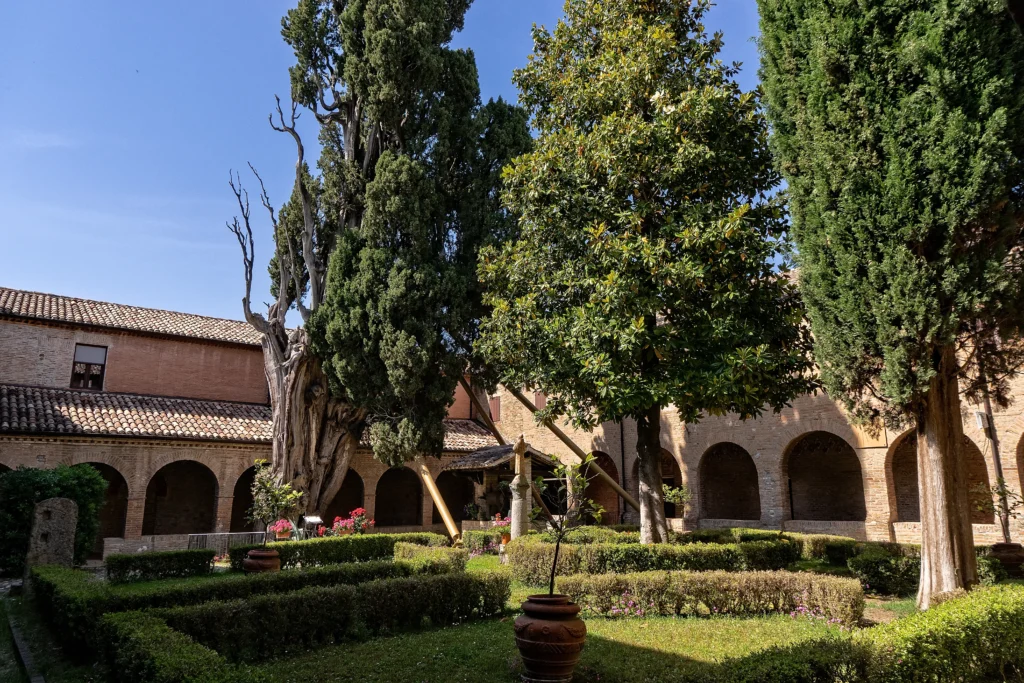
Via di Francesco from Florence to La Verna
Length: 96 km
Stages: 6
Departure: Florence
Arrival: La Verna
The Via di Francesco from Florence to La Verna is a path that retraces the Saint’s footsteps through the landscapes of the Apennines. The route connects the Florentine capital to the Sacro Monte della Verna, a symbolic place of Franciscan spirituality where Francis received the stigmata in 1224.
The Camino traverses a landscape of great harmony, alternating between cultivated fields, lush forests, ancient Romanesque churches and medieval villages. Along the way, pilgrims encounter places of faith such as the Abbey of Vallombrosa and the Sanctuary of La Verna, precious testimonies to the passage of the Saint and his spiritual legacy.
This itinerary is grafted into the wider system of the Ways and Paths of Francis, connecting with the routes coming from the north and continuing ideally to Assisi and Rome. The Via from Florence to La Verna offers walkers the opportunity to immerse themselves in an experience that blends nature and spirituality, rediscovering the value of silence, simplicity and Franciscan brotherhood.
Discover the Via di Francesco from Florence to La Verna!
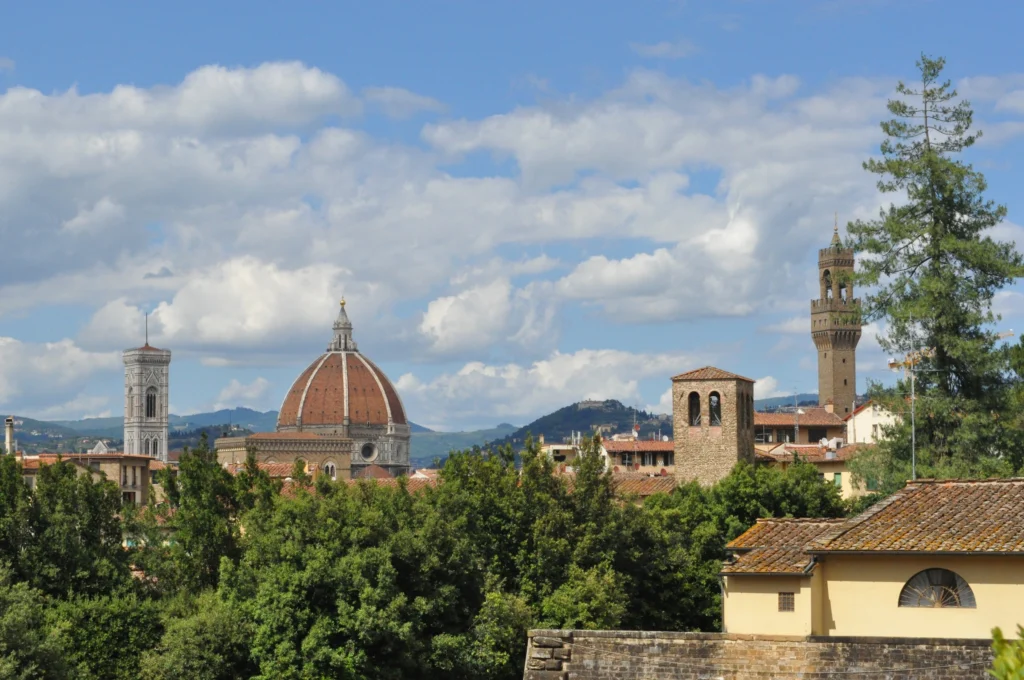
Via di Francesco from La Verna to Assisi
Length: 190 km
Stages: 10
Departure: La Verna
Arrival: Assisi
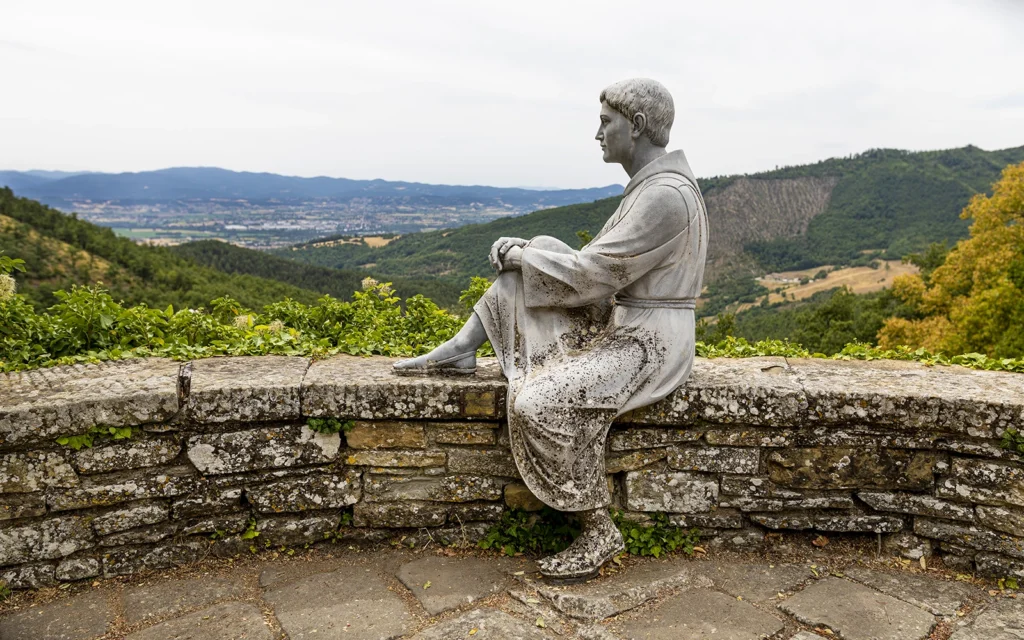
The Via di Francesco from La Verna to Assisi is a spiritual and nature trail that links two places symbolic of the Saint’s life: the Sacred Mount of La Verna, where he received the stigmata in 1224, and Assisi, his birthplace.
The itinerary represents the geographical and spiritual heart of the Cammino di DANTE, starting in Tuscany and then winding mainly through Umbria through some of the most natural landscapes of the central Apennines.
From the last Tuscan offshoots of the Casentino, the Cammino penetrates into Umbria, crossing the Sacred Valley and touching places deeply linked to St. Francis: Sansepolcro, Citerna, Città di Castello, Pietralunga and Gubbio, until arriving in Assisi. Along the way we encounter convents, hermitages, parish churches and shrines that recall significant episodes in the Saint’s life: the hospitality he received, his preaching, and his simple life among the people.
This section is grafted into the larger system of the Ways and Paths of St. Francis, continuing ideally toward Rome and following in the Saint’s footsteps in his mission of peace, fraternity and love.
Discover the Via di Francesco from La Verna to Assisi!
Bologna Montana Art Trail
Length: 100 km
Stages: 4/6
Departure: Loiano
Arrival: Loiano
The BOLOGNA MONTANA ART TRAIL is a loop trail that winds along the Tuscan-Emilian Apennines, among the ridges and villages of the Bolognese mountains to the first province of Florence, where the trails become an open-air art gallery.
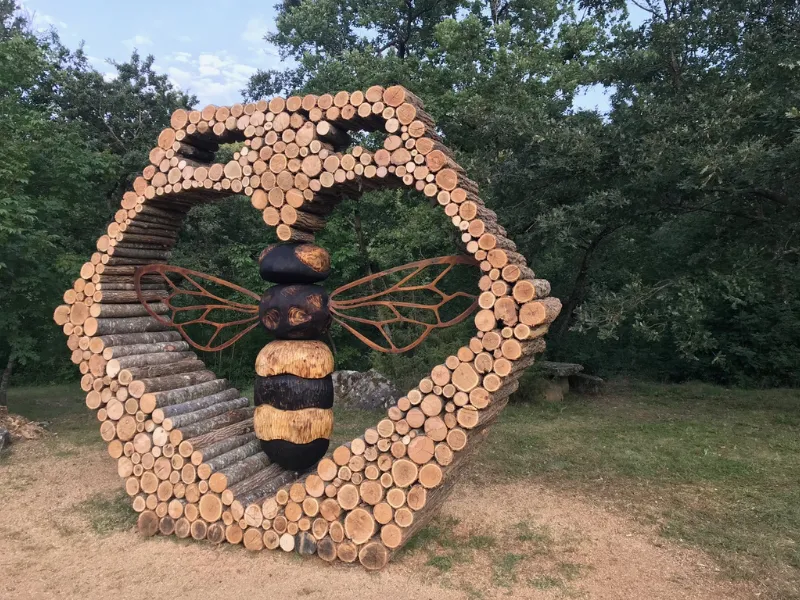
What makes BomArt Trail unique among all Italian trails is the presence of 25 monumental “land art” works dotting the route in scenic locations, with another ten or so installations planned for 2026.
Land art is a form of contemporary art that creates monumental works directly in the natural landscape, using elements of the environment such as earth, rock, wood, and vegetation to create installations that dialogue with the land.
Thus, step by step, nature, art and culture are intertwined, turning each kilometer into an immersive experience.
BomArt Trail is perfect for those seeking an experience different from the usual walk, where extraordinary views and works of art appear when you least expect them.
Discover the Bologna Montana Art Trail!
Via Lauretana Siena – Cortona – Assisi
Length: 196 km
Stages: 9
Departure: Siena
Arrival: Assisi
The VIA LAURETANA from Siena – Cortona – Assisi is a bridge between two great pilgrimage routes, a historical hinge between the Via Francigena and the Via Lauretana that leads from Assisi to the Shrine of the Holy House of Loreto.
The Tuscan section passes through the villages of Asciano, Rapolano Terme, Sinalunga, Torrita di Siena, Montepulciano and Cortona, leading the walker to the Umbrian border. Here the path continues through forests, olive groves and thousand-year-old parish churches to Assisi, the beating heart of Franciscan spirituality, where it joins the route of the historic Via Lauretana that continues to Foligno, Colfiorito, Tolentino and finally Loreto.
The Via Lauretana from Siena to Cortona and Assisi is thus configured as a connective itinerary linking two millennial routes, thus interweaving spirituality, culture and territory. Its landing in Assisi, an important historical and cultural crossroads, reinforces the sense of continuity of the journey: from Siena to Loreto, crossing territories that hold centuries of history, art and traditions.
Discover the Via Lauretana Siena – Cortona – Assisi!
Did you enjoy the Cammini in Tuscany? Stay up-to-date on all the news about the Italian Cammini, subscribe to our Telegram channel!
For those who wish to learn more about and better plan their own Camino, we invite you to visit each Cammino’s fact sheet, via the links in the article, or in the “Cammini” section of the website, filtering by Region “Tuscany.”
We remind you that on all stores you can download the official Cammini d’Italia App, where you will find all the detailed information about the routes, stages and services available.
Happy Camino!